
Finding Affordable Firearm Loads Without Sacrificing Reliability
Find Cheap Ammo Without Sacrificing Quality: Your Go-To Guide
Cheap ammo is simply the smart choice for anyone who wants to keep shooting without draining their wallet. It works just as reliably for target practice and plinking as premium brands, giving you the same trigger time for a fraction of the price. By stocking up on budget-friendly rounds, you can train more often, build better muscle memory, and enjoy every range trip without financial stress. Your shooting hobby deserves to be affordable, and cheap ammo makes that possible every single time you pull the trigger.
Finding Affordable Firearm Loads Without Sacrificing Reliability
Finding affordable firearm loads without sacrificing reliability means treating cheap ammo as a project, not a lottery ticket. Start by buying a single box of the budget brand you’re eyeing, then run a hundred mixed rounds through your gun—checking for hard primers, weak ejection, or erratic accuracy. If it cycles cleanly, buy in bulk only from that same lot number, since manufacturing swings can turn a good batch into a jam machine. Stick to plated or jacketed bullets for semi-autos, as bare lead often fouls gas systems faster than you save. A ten-cent saving per round means nothing if a malfunction costs you an entire range session. Finally, test your cheap load in the magazine you actually carry, because worn springs expose the worst in budget ammo, so rotate stock and shoot the oldest boxes first.
What Actually Defines a Budget-Friendly Cartridge
A budget-friendly cartridge isn’t merely the lowest sticker price; it’s the lowest cost per reliable round over time. The true definition hinges on consistent primer ignition and dimensional uniformity across batches, which prevents malfunctions that waste expensive range time. A cheap round that fails to feed, extract, or hold a stable pressure curve forces re-shoots and gun cleaning, inflating its real cost. Practical budget ammo uses boxer-primed brass cases, allowing reloading, and employs powder that burns cleanly enough to avoid carbon-fouling stoppages. If a cartridge cycles your specific firearm’s action every time, groups acceptably for your purpose, and sells for 10–15% below premium—without causing component wear—it qualifies as budget-friendly. Scrutinize lot-to-lot consistency before bulk purchasing, because a “deal” that sacrifices lock time or bullet seating depth is an expensive liability disguised as savings.
Why Lower Price Per Round Doesn’t Mean Lower Quality
A lower price per round often reflects manufacturing efficiency, not inferior components. Bulk buying of projectiles and cases, automated loading, and streamlined logistics let reputable brands cut costs while maintaining the same brass, primers, and powder specs as premium lines. Budget-friendly ammunition frequently uses slightly less polished propellant or standard jacketed bullets rather than match-grade options, which impacts precision at 100+ yards but not functional reliability. Inexpensive practice loads from major manufacturers undergo identical pressure testing and quality checks as their pricier counterparts. A round that cycles reliably, feeds smoothly, and holds acceptable accuracy for defensive or training purposes is not low quality—it is simply optimized for volume. The price difference usually comes from packaging, branding, or tighter tolerances you do not need for routine shooting.
Choosing the Right Low-Cost Caliber for Your Shooting Needs
When I first started shooting on a tight budget, I learned that choosing the right low-cost caliber means balancing what you’ll actually shoot weekly against what you can find stacked on sale. The 9mm Luger is my go-to for handguns because surplus and bulk boxes drop below 25 cents a round, and it feeds reliably in everything from a Glock to a CZ. For rifles, .22 LR is unbeatable—a brick of 500 costs less than a single box of centerfire, letting you drill fundamentals without flinching at the total. But don’t just grab the cheapest box; check that your barrel twist stabilizes the bullet weight you buy, or you’ll waste ammo on keyholing. Q: Should I choose 9mm or .380 ACP for cheap practice? A: 9mm, because it’s more common, cheaper per round, and recoil is manageable enough to build consistent form. Stick with calibers that have high production volume, and you’ll always have a budget-friendly option on the shelf when you Rimfire Ammo for Sale need it most.
Comparing Common Economical Rounds: 9mm, .223, and .22 LR
When stacking up cheap ammo for common calibers, the 9mm, .223, and .22 LR each shine in different lanes. The .22 LR is the undisputed budget king, often costing half of 9mm and a third of .223, making it perfect for high-volume plinking without burning your wallet. 9mm offers a solid middle ground for pistol practice, with recoil you can manage all day. .223 is pricier but gives you rifle-range versatility for varmint or steel targets. For getting the most trigger time per dollar, follow this simple order:
- Start with .22 LR for pure cheap fun and fundamentals.
- Step up to 9mm when you need defensive-style handgun reps.
- Reserve .223 for when you want longer-distance accuracy without exotic costs.
Each round’s price-per-round directly dictates 7mm-08 Ammo for Sale how often you can shoot, so pick based on your primary goal.
How to Match Budget Ammunition to Your Firearm’s Purpose
Match your budget ammo to the firearm’s defined role, not just its price tag. For competition or practice, prioritize consistent muzzle velocity and reliable cycling over raw power; a light, jacketed load reduces recoil and barrel wear. For defensive use, select a low-cost hollow point that feeds flawlessly in your specific magazine, even if it costs a few cents more per round. For hunting small game, a flat-nosed or round-nosed lead bullet at moderate speed prevents over-penetration and preserves meat. Purpose-driven ammunition selection ensures your cheap rounds train the correct mechanics without compromising terminal performance or firearm function.
- Test 50 rounds of any budget load for function and zero before bulk-buying.
- Match bullet weight to your barrel’s twist rate for acceptable accuracy.
- Choose a softer primer or lower pressure if your firearm is older or finicky.
Evaluating Remanufactured and Bulk-Packed Options
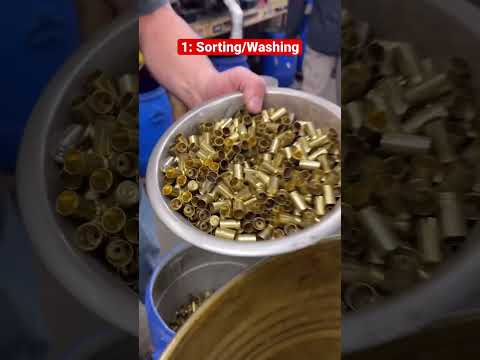
You’re staring at two pallets of cheap ammo, and the decision hinges on how you’ll actually use it. Remanufactured rounds—pulled down, inspected, and reloaded by a commercial outfit—are perfect for high-volume range drills where a 6.5 PRC Ammo for Sale rare failure is just a tap-rack moment. I’ve run thousands without a stuck case, but I still avoid them for carry or hunting. Bulk-packed options, meanwhile, arrive loose in 500-round bags, saving plastic and cash, but you’re trading packaging for potential grit and dents. I sort mine by headstamp, then run a quick plunk test in the chamber before trusting them. Always spot-check a few dozen for bullet setback—especially in bulk packs—because a seated bullet can spike pressure. For training, both shine; for precision, you’re betting on consistency neither promises.
The Pros and Cons of Reloads vs. Factory New Budget Rounds
Choosing between reloads and factory new budget rounds hinges on your tolerance for risk versus cost. Reloads offer serious savings, often cutting prices by half, but you trade consistency, as cases and primers vary, risking misfires or pressure spikes in finicky guns. Factory new budget rounds, while pricier, deliver reliable ignition and uniform ballistics, crucial for defensive drills or competition. However, bulk-packed factory ammo sometimes skimps on accuracy, with loose tolerances that frustrate precision shooters. Reloads shine for casual plinking where a dud is a minor annoyance; factory rounds win when every shot must count. Ultimately, reloads vs. factory new budget rounds is a gamble on your equipment’s resilience and your willingness to troubleshoot. Start with a small test batch before committing to a case.
Reloads cut costs but risk reliability; factory budget rounds cost more, yet provide dependable performance. Choose based on your gun’s tolerance and intended use.
Understanding Bulk Packaging: Loose Rounds, Value Packs, and Case Buys
When hunting for cheap ammo, understanding bulk packaging is your secret weapon for stretching every dollar. Loose rounds, often sold in 500-count bags, offer the lowest per-round cost but require your own ammo boxes for safe range transport and storage. Value packs, typically 50 or 100 rounds in a cardboard or plastic tray, balance affordability with convenience, making them perfect for quick trips. Case buys—usually 500 to 1,000 rounds in factory-sealed containers—maximize savings per round and are ideal for high-volume shooters. However, consider hidden costs: loose rounds need storage investment, while cases demand upfront capital. Always check if packaging includes reloadable brass or sealed primers, as this affects long-term value. Mastering these bulk packaging tiers ensures you pay only for what you actually need.
Where to Source Discounted Rounds Without Falling for Scams

To find discounted rounds without scams, start with established online retailers like Target Sports USA or Bereli, which offer bulk pricing and transparent shipping costs. Compare per-round prices across three or four reputable sites using ammo search engines like AmmoSeek, but verify the vendor’s customer reviews on forums like r/gundeals before purchasing. Avoid deals requiring bank transfers, cryptocurrency, or payments through apps like Zelle, as these are common red flags for fraudulent sellers. Only buy from sites that list a physical address and a working phone number, and check that the brand name matches the packaging in photos—counterfeit “bulk” ammo often uses generic boxes. Beware of prices below 70% of the average market rate, which indicate reloads or stolen goods, not genuine discounts. Actually, a slightly higher price from a verified dealer is cheaper than losing your money to a phantom website. Stick to credit cards for buyer protection, and always inspect rounds on arrival for corroded primers or damaged cases.
Tips for Identifying Reliable Sellers of Affordable Cartridges

To find reliable sellers of affordable cartridges, verify their customer verification process—legitimate dealers require a copy of your ID and a valid firearms license before any transaction. Cross-check seller reviews on independent forums like Reddit’s r/gundeals, focusing on complaints about damaged packaging or delayed shipments. Request lot numbers and headstamp photos before paying; a trustworthy vendor will provide them without hesitation. Avoid any site that demands crypto-only payments or offers prices 30% below average. Start with a small trial order—50 rounds—to test quality and consistency before committing to bulk purchases.
- Confirm the seller has a physical address and 7mm WSM Ammo for Sale a working phone number that you can call.
- Search for the seller’s name on scam-tracking databases specific to ammunition.
- Demand a 6.5 Creedmoor Ammo for Sale clear return policy for defective rounds, including replacement or refund terms.
Using Ammo Search Tools and Price Comparison Sites Effectively

Ammo search engines like AmmoSeek and WikiArms aggregate live inventory across dozens of retailers, letting you filter by cartridge, grain, and price per round—the true cost metric. Set alerts for your specific caliber, and compare shipping fees before committing, as a low base price often hides inflated freight. Cross-reference the listed merchant against forum feedback and scam-checker databases within the same session. A sub-prime price that outpaces every competitor by twenty percent usually signals a typo, a bait listing, or a ghost specialty sports inventory—so verify stock before entering payment details. Use the site’s “sort by CPR” function, then rank results by seller rating, not just price. Price comparison sites only protect you when you treat their results as leads, not guarantees, and always confirm the final checkout total includes taxes and handling.
Master ammo search tools by filtering on cost-per-round, vetting each vendor, and confirming final shipping—never assume a low sticker is the real deal.
Ballistic Performance: How Budget Rounds Perform at the Range
Budget rounds often deliver surprisingly consistent ballistic performance at typical self-defense distances, though their terminal ballistics can lag premium loads. At the range, cheap ammo generally prints tighter groups than shooters expect, with most quality budget brands holding 2–3 inch groups Shotgun Ammo for Sale at 25 yards from a rest. Velocity deviations run higher—often 50–100 fps spread—which shifts point of impact slightly but rarely matters inside 15 yards. Recoil impulse feels harsher due to less refined powder burn, but follow-up shots remain manageable with practice. Expansion is the weak link; many budget hollow points fail to expand reliably through heavy clothing, acting more like full metal jackets. For target practice and drills, cheap ammo’s ballistic curve stays flat enough to train effectively, but trust your life to a proven defensive round. Q: Will budget ammo group well enough for concealed carry practice? A: Yes, at 7–10 yards, typical engagement range, cheap rounds hit within 1.5 inches of your point of aim—sufficient for accuracy drills and malfunction clearing.
Accuracy Expectations from Value-Priced Ammunition
When you grab value-priced ammunition, accuracy expectations need a reality check—but not a bad one. Budget rounds typically group 2.5 to 4 inches at 50 yards from a rest, while premium match ammo might cut that to 1.5 inches. That difference matters for precision shooting, but for plinking, steel challenges, or defensive practice, those larger groups still hit vital zones. Consistency suffers most: a cheap lot can shift point of impact by an inch between boxes, so re-zero if you switch batches. You’re not chasing one-hole groups, you’re chasing reliable minute-of-victim accuracy. **Accuracy expectations from value-priced ammunition should center on “good enough for the task,” not benchrest glory.**
Q: Can value-priced ammunition ever match premium accuracy?
A: Sometimes, yes—but it’s luck of the lot. A specific batch might surprise you with sub-2-inch groups, but don’t bank on it. Test a few boxes; if one shoots great, buy the same lot number. Otherwise, accept that budget ammo Rifle Ammo for Sale trades tightness for savings. That tradeoff is fine for 90% of shooters who don’t compete. You’ll still hit paper, steel, or clay targets consistently, just with a slightly wider spread. And that’s honestly fine for most range days.
Muzzle Velocity and Recoil Differences in Low-Cost Loads
When you switch to low-cost loads, expect muzzle velocity to bounce around more than with premium ammo. Budget makers often use faster-burning powders that spike pressure early, pushing bullets out quicker on paper—but consistency falls apart. One box might clock 1,150 fps, the next 1,080 fps from the same barrel. That spread directly changes how the rifle kicks: hotter batches whack your shoulder harder, while weaker ones feel almost laggy. In pistols, you’ll notice sharper muzzle flip on fast rounds and a sluggish, softer push on slow ones. Since recoil tracks velocity changes, practicing with cheap ammo trains you to handle unpredictable impulse, but don’t zero your optic expecting one steadier number—your point of impact will wander with each velocity swing.

Practical Storage and Handling Tips for Bulk Bargain Purchases
When you buy cheap ammo in bulk, inspect each case at pickup for loose primers or corroded brass before stacking it, since bargain lots often hide defects. Store unopened factory boxes in a sealed, hard-sided plastic container with silica gel packs, keeping the entire unit off concrete floors to prevent moisture wicking through cardboard. Rotate your stock by writing the purchase date on every can, and shoot the oldest first because low-cost powder can degrade faster than premium Ammunition for Sale loads. Handle loose rounds with cotton gloves to avoid transferring skin oils that accelerate case tarnishing. Bargain ammo rewards those who sort based on visual dimpling or dented rims, as these imperfections rarely affect function but always indicate poor handling elsewhere. Finally, never mix sealed surplus with reconditioned rounds in one magazine, as pressure variances from inconsistent powder charges could cause malfunctions, and always ventilate your storage area for at least ten minutes monthly to purge ammonia fumes from decomposing nitrocellulose.
Extending Shelf Life of Economical Rounds in Harsh Conditions
When budget-friendly ammo faces freezing temps, desert heat, or coastal humidity, extending shelf life of economical rounds in harsh conditions demands aggressive moisture control. Toss silica gel packs into every ammo can, but swap them out monthly—desiccant saturation is silent. Seal rounds in vacuum bags before dunking them into a dry-box, because plastic alone won’t stop condensation from forming inside the case necks. Rotate Handgun Ammo for Sale stock seasonally, firing the oldest boxes first, so corrosion never gets a foothold. Cheap primers are the first casualty of thermal cycling, so keep cans off concrete floors and inside insulated storage to blunt temperature swings. Wipe down cartridges with a lightly oiled cloth before storage, but never let solvent pool near the primer pocket.
Common Malfunctions and How to Prevent Them with Cheap Cartridges
Cheap cartridges often fail from hard-primer ignition issues, light strikes, or squib loads due to inconsistent primer seating or powder charges. To prevent misfires, inspect each round’s primer depth before loading; a proud primer causes slam-fires in semi-autos. Case-mouth splits, common with bargain brass, lead to gas leakage and stuck casings—feel every case mouth for burrs and discard any with cracks. Bullet setback occurs under repeated chambering, spiking pressure; measure cartridge overall length after two chamberings and toss any that shrink past SAAMI limits. Dented cases from loose bulk packing cause feeding jams—run a thumb along the case body and reject dents. Finally, avoid mixing lots; varied powder burn rates produce erratic cycling, so test one box per batch before bulk storage.

